



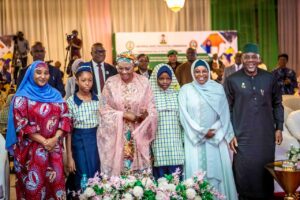

Nigerian ministers have warned against the indiscriminate use of antibiotics, urging citizens, healthcare workers and livestock farmers to adopt responsible practices to curb the growing threat of antimicrobial resistance (AMR).
The ministers said misuse of antibiotics, including taking incorrect doses, failing to complete prescribed treatments and using the drugs without medical advice, could accelerate resistance and reduce the effectiveness of medicines used to treat bacterial infections.
They spoke during a hybrid interactive session with journalists in Abuja on Wednesday, ahead of the global conference on antimicrobial resistance scheduled to take place in Nigeria from December 6 to 8.
The Coordinating Minister of Health and Social Welfare, Prof. Muhammad Ali Pate, urged Nigerians to stop taking antibiotics for every cough or catarrh, stressing the need to consult qualified healthcare professionals before using the medicines.
Pate also advised patients to follow medical prescriptions and complete the recommended course of antibiotics, even when they begin to feel better.
According to him, Nigeria has continued to strengthen its capacity to tackle antimicrobial resistance through the implementation of a national action plan, research and collaboration among experts in academic and public health institutions.
He said AMR could not be addressed by the health sector alone, noting that it required coordinated action across human health, animal health, agriculture and the environment.
The minister also said the Federal Government was strengthening drug regulation to improve access to quality medicines and combat the circulation of counterfeit and substandard products.
He cited measures to improve drug distribution, including the establishment of coordinated wholesale centres, as well as regulatory efforts by the National Agency for Food and Drug Administration and Control and the Pharmacists Council of Nigeria to enhance the quality and safety of medicines.
The Minister of Environment, Balarabe Abbas Lawal, said environmental hygiene was critical to disease prevention, urging Nigerians to maintain clean surroundings to reduce the spread of infections and, consequently, the need for antimicrobial medicines.
Lawal said improved sanitation and environmental cleanliness could help prevent diseases and reduce reliance on antibiotics.
Also speaking, the Minister of Livestock Development, Idi Mukhtar Maina, urged poultry and other livestock farmers to use antibiotics responsibly, warning that indiscriminate administration of the drugs could have consequences for human health.
He encouraged farmers to prioritise vaccination, proper nutrition, hygiene and biosecurity measures rather than routinely administering antibiotics to promote animal growth.
Maina advised farmers to use antibiotics only when necessary and under appropriate prescription, while observing the required withdrawal periods before animals or their products are released for human consumption.
He said the ministry was using extension agents to educate farmers on responsible antibiotic use and the health risks associated with improper practices.
The Minister of Agriculture and Food Security, Senator Abubakar Kyari, also participated in the engagement, which highlighted the need for stronger collaboration among government ministries and agencies in tackling AMR.
The ministers stressed the importance of communicating the dangers of antimicrobial resistance through relatable stories and local languages to improve public understanding and encourage behavioural change.
They said the forthcoming global conference would provide an opportunity for participating countries to discuss practical policy measures for combating AMR while ensuring that people who genuinely need antibiotics can continue to access them.
The ministers also called on the media to intensify public awareness of antimicrobial resistance, disease prevention, responsible medicine use and the importance of coordinated action across sectors